

When it comes to electrical systems, the key to optimal performance lies in proactive maintenance. For businesses and homeowners in Hawaii, this is especially crucial due to the unique environmental challenges faced in the region. And that’s where infrared inspections come to the rescue.
Infrared inspections are a cutting-edge diagnostic tool that utilizes thermal imaging cameras to detect potential issues within electrical systems before they become major problems. By identifying hotspots, loose connections, faulty wiring, and other hidden defects, these inspections help prevent electrical failures, equipment damage, and even fires.
The tropical climate of Hawaii intensifies the need for regular infrared inspections. Humidity, salt air, and volcanic ash can wreak havoc on electrical systems, leading to corrosion, insulation breakdown, and decreased performance. By detecting these issues early on, maintenance teams can take proactive measures to ensure electrical systems operate at their best, minimizing downtime and costly repairs.
Whether it’s for a hotel, manufacturing facility, or residential property, infrared inspections provide peace of mind by maximizing electrical system performance, reducing the risk of electrical hazards, and ultimately saving time and money.
The importance of electrical system performance

A well-functioning electrical system is the backbone of any building, whether it’s a commercial establishment, a manufacturing facility, or a residential property. From powering appliances to providing lighting and ensuring the smooth operation of machinery, electrical systems play a vital role in daily operations. Any disruptions or failures can result in inconvenience, productivity loss, and potential safety hazards.
In Hawaii, where the demand for electricity is high and the reliance on electrical systems is significant, ensuring optimal performance becomes even more critical. The unique geographical location and climate of Hawaii present challenges that can adversely affect electrical systems. Factors such as humidity, salt air, and volcanic ash contribute to the degradation of electrical components, making regular maintenance and inspections essential.
Understanding infrared inspections and the benefits

Infrared inspections, also known as thermographic inspections, are a non-invasive method of evaluating the condition of electrical systems. These inspections utilize thermal imaging cameras to identify abnormalities and potential issues within the system. By detecting variations in surface temperatures, infrared inspections can pinpoint hotspots, loose connections, overloaded circuits, and other electrical problems that may not be visible to the naked eye.
The principle behind infrared inspections is based on the fact that electrical components, when functioning properly, generate heat within a specific range. Any deviations from this normal heat pattern can indicate underlying issues that require attention. By capturing and analyzing thermal images, infrared inspections provide valuable insights into the condition of electrical systems, enabling maintenance teams to address problems before they escalate.
Benefits of infrared inspections for electrical systems
1. Early Detection of Potential Issues: Infrared inspections allow for the early detection of electrical problems such as loose connections, overloaded circuits, and faulty wiring. By identifying these issues before they cause major failures or breakdowns, maintenance teams can take proactive measures to resolve them, minimizing downtime and costly repairs.
2. Prevention of Electrical Hazards: Electrical failures can pose significant safety risks, including the potential for fires and electrical shocks. By identifying hotspots and anomalies within electrical systems, infrared inspections help prevent these hazards by allowing maintenance teams to address the root causes before they escalate.
3. Improved Energy Efficiency: Inefficient electrical systems can result in wasted energy and increased utility costs. Infrared inspections help identify areas of energy loss, such as overheating components or insulation breakdown, enabling maintenance teams to rectify these issues and optimize energy efficiency.
4. Extended Equipment Lifespan: Overheating and other electrical issues can accelerate the wear and tear of equipment, leading to premature failure. By detecting and resolving these issues early on, infrared inspections help extend the lifespan of electrical equipment, reducing the need for costly replacements.
5. Cost Savings: By preventing major electrical failures, reducing downtime, and optimizing energy efficiency, infrared inspections ultimately result in cost savings for businesses and homeowners. The investment in regular inspections is outweighed by the potential expenses associated with major repairs, equipment replacements, and the loss of productivity.
How infrared inspections work
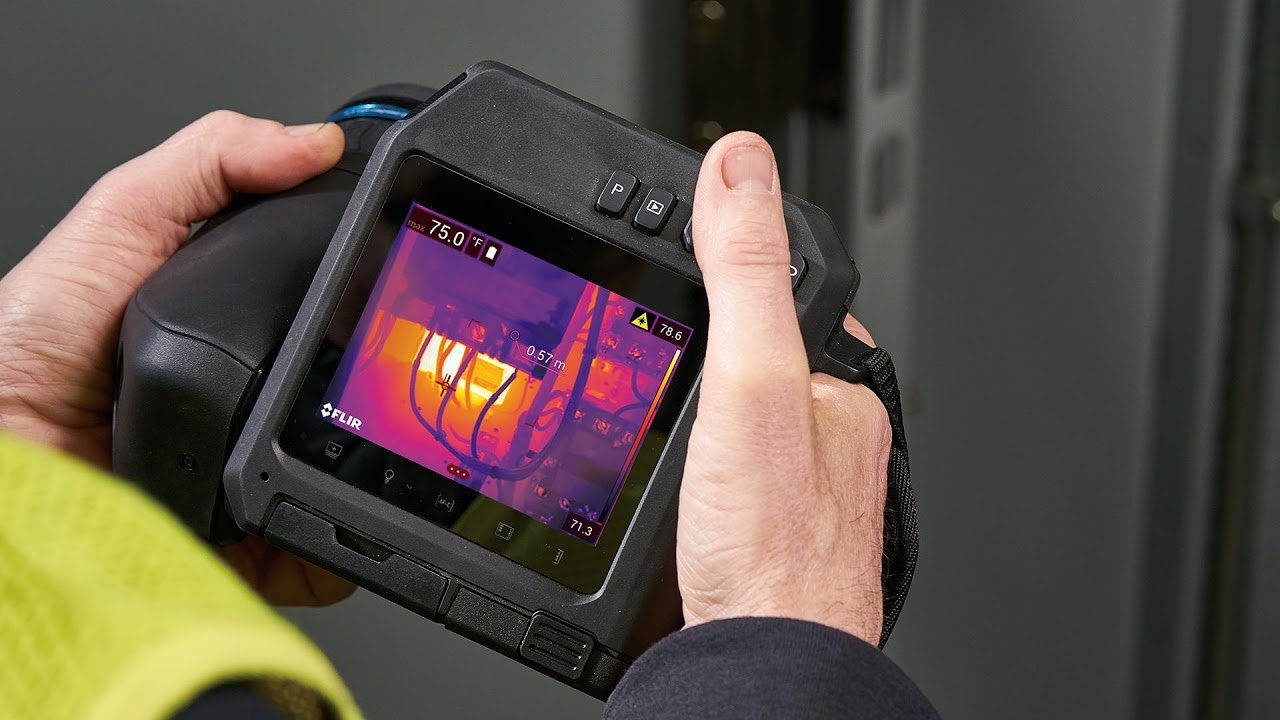
Infrared inspections rely on thermal imaging cameras to capture and analyze the heat patterns emitted by electrical components. These cameras detect infrared radiation, which is invisible to the human eye but can be converted into visible images that represent temperature variations.
During an infrared inspection, a qualified technician scans the electrical system using a thermal imaging camera. The camera captures images that display variations in temperature, highlighting any hotspots or abnormalities within the system. These images are then analyzed to identify potential issues, allowing the technician to recommend appropriate actions for resolution.
It is important to note that infrared inspections should be conducted by trained professionals who have the necessary expertise in interpreting thermal images and identifying electrical issues accurately. Improper analysis or misinterpretation of thermal images can lead to false conclusions and ineffective maintenance actions.
Common electrical issues detected by infrared inspections


Infrared inspections can detect a wide range of electrical issues that may not be visible during visual inspections. Some of the common issues identified through thermal imaging include:
1. Loose Connections: Loose electrical connections can lead to arcing, overheating, and potential electrical failures. Infrared inspections can identify loose connections by detecting temperature variations caused by increased resistance.
2. Overloaded Circuits: Overloaded circuits can generate excessive heat, which can lead to insulation breakdown, equipment damage, and potential fires. Infrared inspections can detect overloaded circuits by identifying areas of elevated temperature.
3. Faulty Wiring: Faulty or damaged wiring can result in electrical issues, including overheating and short circuits. Infrared inspections can identify areas of abnormal heat patterns that may indicate faulty wiring.
4. Corrosion: The tropical climate of Hawaii, with its high humidity and salt air, can accelerate the corrosion of electrical components. Infrared inspections can detect signs of corrosion by identifying temperature variations caused by increased resistance.
5. Insulation Breakdown: Over time, insulation around electrical wires can deteriorate, leading to decreased performance and potential safety hazards. Infrared inspections can identify areas of insulation breakdown by detecting temperature variations along the length of the wire.
The role of infrared inspections in preventive maintenance

Infrared inspections play a crucial role in preventive maintenance programs for electrical systems. Unlike reactive maintenance, which involves addressing issues after they occur, preventive maintenance focuses on identifying and resolving potential issues before they cause major failures or breakdowns. Reactive maintenance can cost up to 40% more in repair costs and downtime than a regular maintenance program.
By conducting regular infrared inspections, maintenance teams can detect and address electrical issues in their early stages, preventing them from escalating into more significant problems. This proactive approach minimizes downtime, reduces the risk of electrical hazards, and extends the lifespan of electrical equipment. According to the NFPA, about 46,700 electrical fires occur every year causing billions in building and equipment damage.
In addition to infrared inspections, preventive maintenance programs may include other activities such as visual inspections, equipment testing, and routine maintenance tasks. These combined efforts help ensure the optimal performance and reliability of electrical systems, ultimately contributing to the overall efficiency and safety of the building.
Cost considerations and return on investment for a Hawaii-based infrared inspection

The cost of infrared inspections can vary depending on factors such as the size of the electrical system, the complexity of the building, and the frequency of inspections. While there is an initial investment involved, it is important to consider the long-term benefits and potential cost savings associated with regular infrared inspections. Another factor is that of using local, in-state thermographers vs out-of-state companies. While out-of-state infrared inspection companies operate under time constraints, Hawaii-based infrared thermographers are here to stay until the job is complete.
By detecting and resolving potential issues early on, infrared inspections help businesses and homeowners avoid major electrical failures, equipment damage, and costly repairs. The savings in terms of reduced downtime, increased equipment lifespan, and improved energy efficiency can far outweigh the investment in inspections.
In addition to cost savings, there are intangible benefits to consider, such as improved safety, enhanced productivity, and peace of mind. Knowing that the electrical system is regularly evaluated and maintained to optimal standards provides confidence and reassurance for businesses and homeowners alike.
Ultimately, the return on investment for infrared inspections lies in the long-term performance, reliability, and safety of electrical systems. By proactively identifying and addressing potential issues, these inspections contribute to the overall efficiency and success of businesses and homes in Hawaii.
Conclusion: The long-term benefits of maximizing electrical system performance through infrared inspections in Hawaii

Infrared inspections offer a proactive approach to maintaining optimal electrical system performance in Hawaii. By detecting potential issues before they become major problems, these inspections help prevent electrical failures, equipment damage, and safety hazards. The unique environmental challenges in Hawaii, such as high humidity, salt air, and volcanic ash, intensify the need for regular inspections to ensure the longevity and reliability of electrical systems.
The benefits of infrared inspections include early detection of potential issues, prevention of electrical hazards, improved energy efficiency, extended equipment lifespan, and cost savings. These inspections play a crucial role in preventive maintenance programs, complementing other maintenance activities to ensure the overall performance and safety of electrical systems.
Real-life case studies demonstrate the positive impact of infrared inspections on businesses and homeowners in Hawaii, including reduced downtime, increased productivity, improved profitability, and enhanced safety.
When selecting an infrared inspection provider, it is important to choose a reputable company with qualified technicians, up-to-date equipment, and comprehensive reporting capabilities. While there is an initial investment involved, the long-term return on investment in terms of cost savings, improved performance, and peace of mind is significant.
Maximizing electrical system performance through infrared inspections is not just about preventing failures; it is about optimizing efficiency, ensuring safety, and protecting investments. By proactively addressing potential issues, businesses and homeowners in Hawaii can enjoy the benefits of reliable electrical systems that contribute to their success and well-being. Trust the experts in infrared technology to maximize the performance of your electrical systems in Hawaii.